





All Brands
Swiss watch exports barely moved in 2025. Yet some brands are surging.
The official data shows a nearly flat market, down just 0.1% in the first half of the year. A 39% US tariff created chaos. Pre-tariff stockpiling inflated numbers, then September exports to America collapsed by 56%.
On paper, the luxury watch industry looks stable. Dig into individual brand performance and you'll find something different.
We're watching a bifurcation between heritage luxury brands and everyone else.
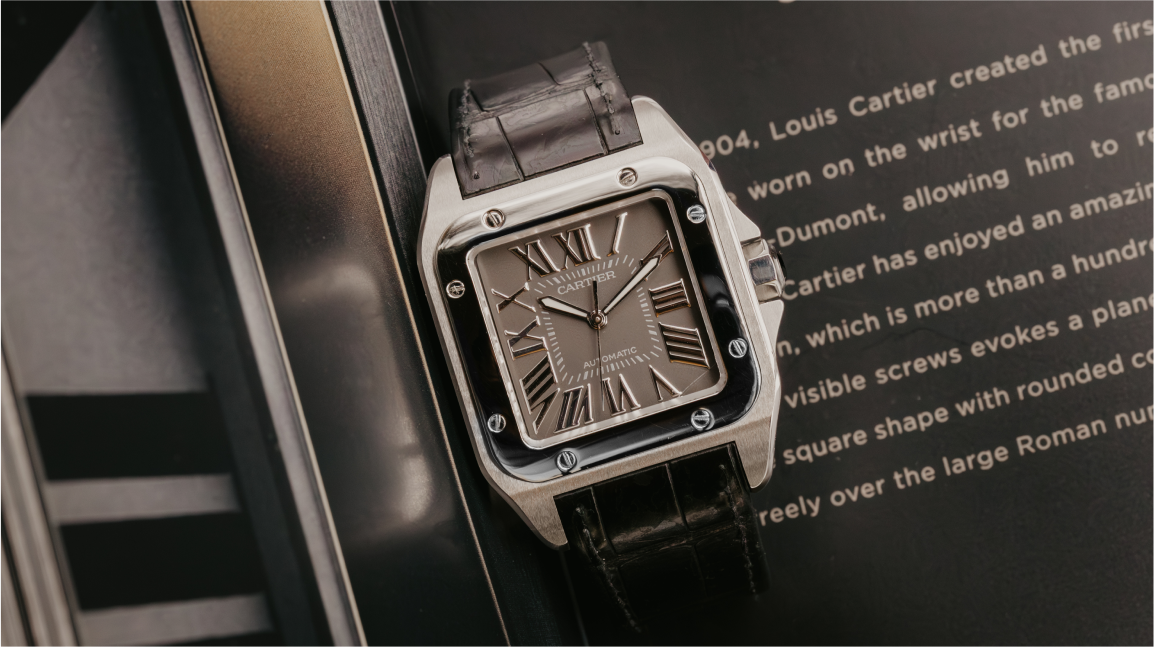
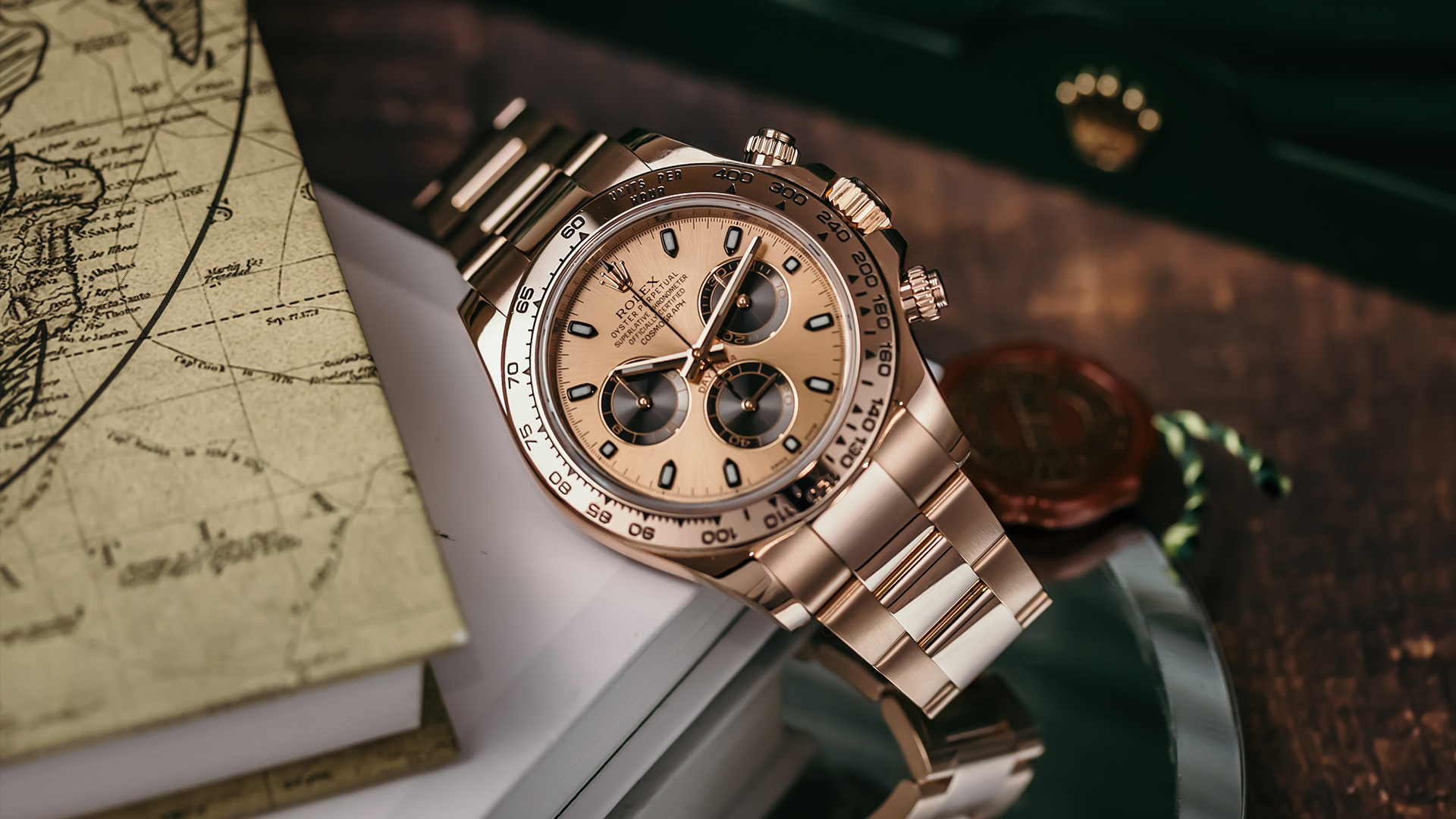
Cartier posted gains of 0.6% in the first half of 2025, driven primarily by the Santos collection. Meanwhile, Rolex dropped 0.2% and Audemars Piguet fell 0.3% in the secondary market.
But here's what matters more than those specific numbers.
The ultra-luxury segment above CHF 40,000 is showing double-digit growth. Watches priced above CHF 100,000 are performing even stronger. That's where you find Patek Philippe, Audemars Piguet, Richard Mille, and select independent brands.
The peak of the price pyramid is growing while mid-tier brands face pressure.
TAG Heuer broke into the top five positions for the first time, landing at fourth in recent brand rankings. The timing aligns with their return as Formula 1's official timekeeper and first-ever title partner of the Monaco Grand Prix.
Strategic positioning matters in a compressed market.
Longines, meanwhile, dropped to eighth position. These movements signal more than temporary fluctuations. They reveal shifting consumer preferences and brand equity in real time.
Brand performance under pressure may forecast value retention.
Economic uncertainty typically separates brands with genuine positioning from those relying on momentum. Heritage luxury brands with strong cultural anchoring tend to outperform during volatility. The current data supports that pattern.
Collectors and investors watching these index movements are tracking more than market share. They're identifying which timepieces might maintain or increase value as market conditions evolve.
The brands demonstrating resilience now, particularly in the ultra-luxury segment, are worth watching. Their performance during flat growth and tariff pressure offers insight into long-term positioning.
The luxury watch market looks stable on the surface. The reality underneath reveals which brands have built something durable enough to weather genuine economic friction.
Your bag is empty
Get browsing!